




The Termite Lifecycle: Swarming Season Is Here
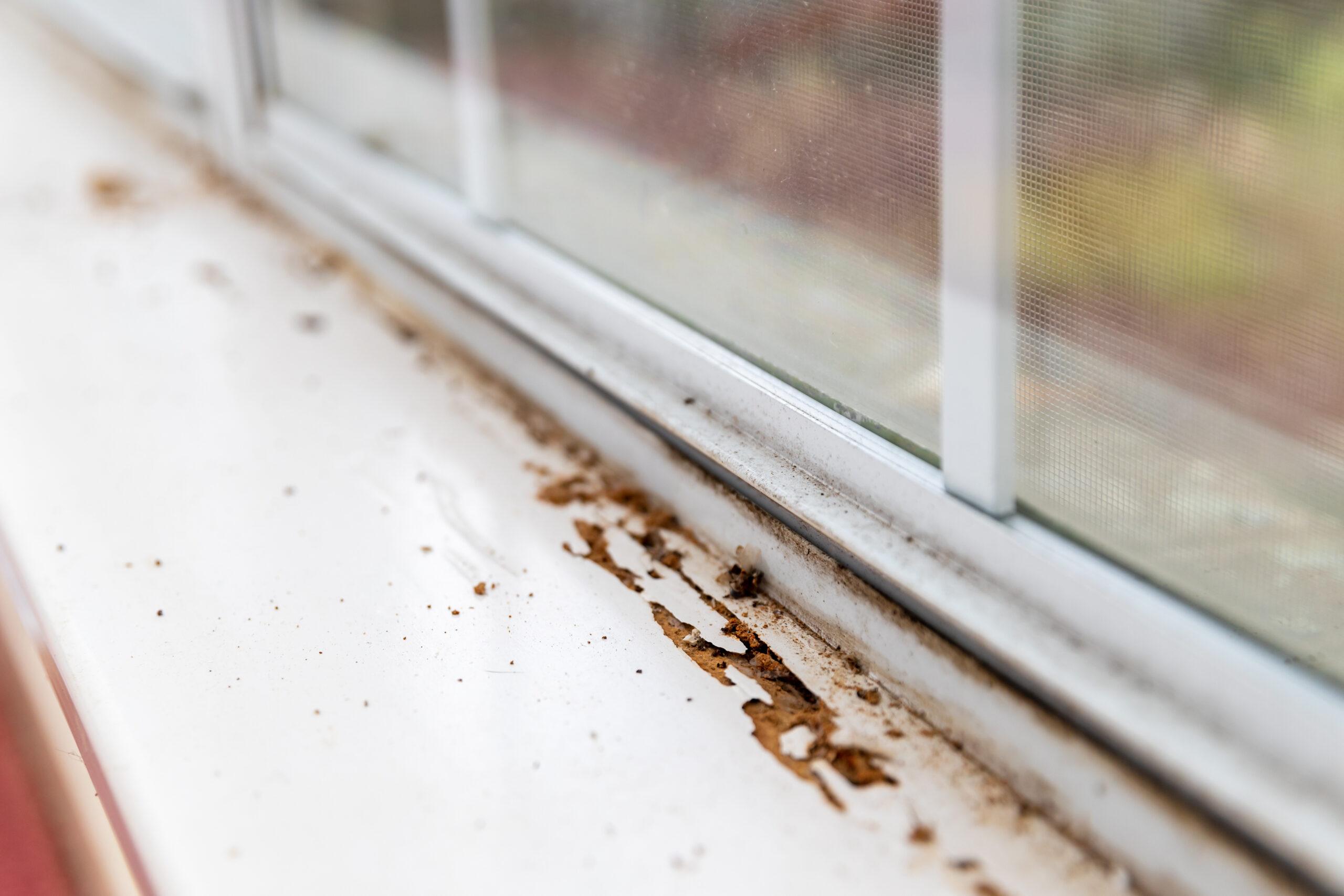
As temperatures begin to warm across the South, termite season quietly kicks into gear. While most homeowners associate termites with structural damage, many don’t realize that spring swarming season is one of the earliest and most important warning signs of a potential infestation.
Understanding the termite lifecycle and what swarming really means can help you protect your home before costly damage begins.
Understanding the Termite Lifecycle
Termites are social insects that live in highly organized colonies made up of different castes, each with a specific role:
- Workers – feed the colony and are responsible for structural damage
- Soldiers – defend the colony from threats
- Reproductives (Alates or Swarmers) – future kings and queens that establish new colonies
According to the U.S. Environmental Protection Agency (EPA), subterranean termites, the most common species in the Southeast, live underground and build mud tubes to reach food sources such as wood structures.
Colonies can contain hundreds of thousands of termites. Because they work from behind walls or beneath foundations, damage often goes unnoticed for years.
What Is Termite Swarming?
Swarming occurs when mature termite colonies produce winged reproductives, called alates, that leave the nest to establish new colonies.
In the South, swarming season typically begins in late winter and continues through spring, often triggered by:
- Warm temperatures
- High humidity
- Rainfall
Swarmers are attracted to light and may gather around:
- Windows
- Doors
- Light fixtures
- Garage areas
Mississippi State University Extension notes that swarmers are often mistaken for flying ants, but it’s important to distinguish between the two, because termite swarmers can indicate a nearby infestation.
Why Seeing Swarmers Is a Big Deal
Many homeowners assume that once the swarm is over, the problem is gone. Unfortunately, the opposite is often true.
Seeing termite swarmers indoors usually means:
- A mature colony is already present nearby.
- Structural wood may already be compromised.
- Additional colonies could soon develop around your home.
The University of Kentucky Entomology Department explains that by the time swarmers appear, the colony may have been active for several years. That’s why swarming season matters more than you think. It’s often the first visible sign of a hidden infestation.
Signs to Watch for During Swarming Season
In addition to flying termites, homeowners should look for:
- Discarded wings near windowsills
- Mud tubes along foundations or crawl spaces
- Wood that sounds hollow when tapped
- Bubbling or blistering paint
These signs indicate termite activity that should be professionally evaluated.
Why Southern Homes Are Especially Vulnerable
The Southeast provides ideal conditions for subterranean termites, including:
- Mild winters
- Long warm seasons
- High moisture levels
- Abundant wood-frame construction
Termites cause an estimated $5 billion in property damage annually in the U.S., according to industry data cited by NPMA. Most homeowner insurance policies do not cover termite damage, making early detection and prevention critical.
What To Do If You See Swarmers
If you notice flying termites or discarded wings inside your home:
- Do not ignore them
- Avoid disturbing mud tubes or damaged wood
- Schedule a professional termite inspection as soon as possible
Even if you only see swarmers outside, it’s wise to have your home evaluated. Swarming nearby means termite colonies are active in your area.
Don’t Wait Until Damage Is Visible
Termites work around the clock quietly and out of sight. By the time visible damage appears, repairs can be extensive and costly.
Swarm season is nature’s early warning signal. Acting quickly can mean the difference between preventive protection and major structural repairs.
If you suspect termite activity or want peace of mind during swarming season, Cook’s Pest Control can help with professional inspections and proven termite protection solutions designed specifically for Southern homes.
